


For decades, the definition of “luxury” in Singapore real estate was tied to marble floorings, crystal chandeliers, and addresses in Districts 9, 10, or 11. While prime locations remain valuable, a significant shift in buyer psychology has occurred post-pandemic. Today, the ultimate luxury is not gold-plated fittings; it is green space, fresh air, and a tangible connection to nature. This “Biophilic Revolution” is reshaping the property market, driving demand for developments that serve as sanctuaries rather than just sleeping quarters.
The Rise of the “Forest Town” The most ambitious manifestation of this trend is the development of Tengah, Singapore’s first “Forest Town.” Unlike mature estates that are concrete-heavy with pockets of green, Tengah is designed from the ground up to be a biodiversity hotspot. The town features a 100-meter-wide forest corridor running through its center, car-free town centers, and dedicated farming ways.
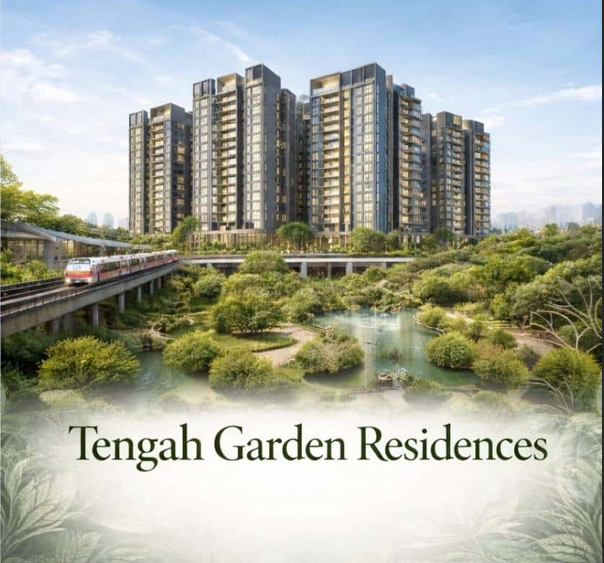
For homebuyers, this represents a unique opportunity to live in a “park” rather than near one. Developments such as Tengah Garden Residences are at the epicenter of this vision. By integrating residential blocks with lush landscaping and smart sustainability features, these residences offer a lifestyle that significantly lowers stress levels. Residents can step out of their lobby directly into hiking trails and community gardens, a feature that promotes mental well-being and active ageing. This focus on “wellness real estate” is expected to drive long-term appreciation as more buyers prioritize health in their housing choices.
The Allure of “Blue” Health While “green” living (forests) is trending, “blue” living (waterfront) remains a perennial favorite. Psychological studies have long shown that proximity to water whether a sea, river, or lake induces a meditative state known as “Blue Mind.” In a high-pressure city like Singapore, the ability to gaze at a horizon or hear the sound of water is a premium amenity.
However, modern waterfront developments are evolving. They are no longer just about the view; they are about the lifestyle integration. Projects like Vela Bay are designed to maximize this coastal connection. Whether it is through architectural orientation that captures sea breezes or facilities that mimic a resort-style holiday, these developments cater to buyers who want their home to feel like a retreat. The layout and amenities are crafted to slow down the pace of life, offering a stark contrast to the frantic energy of the Central Business District.
Balancing Density with Privacy The challenge for developers in land-scarce Singapore is balancing density with privacy. The “Nature Luxury” trend addresses this by using landscaping as natural barriers. Instead of harsh walls, developers are using vertical gardens, tiered planters, and water features to separate zones.
Both the forest-themed living of Tengah and the coastal vibes of Vela Bay utilize this design philosophy. By softening the edges between the built environment and the natural one, they create a sense of spaciousness that defies the actual square footage.
Conclusion As Singapore marches towards its “City in Nature” goal, properties that align with this vision will likely outperform those that do not. Whether you are drawn to the verdant, community-centric ethos of Tengah Garden Residences or the serene, fluid calm of Vela Bay, investing in a nature-integrated home is an investment in a higher quality of life. In 2024 and beyond, the color of luxury is undoubtedly green and blue.