


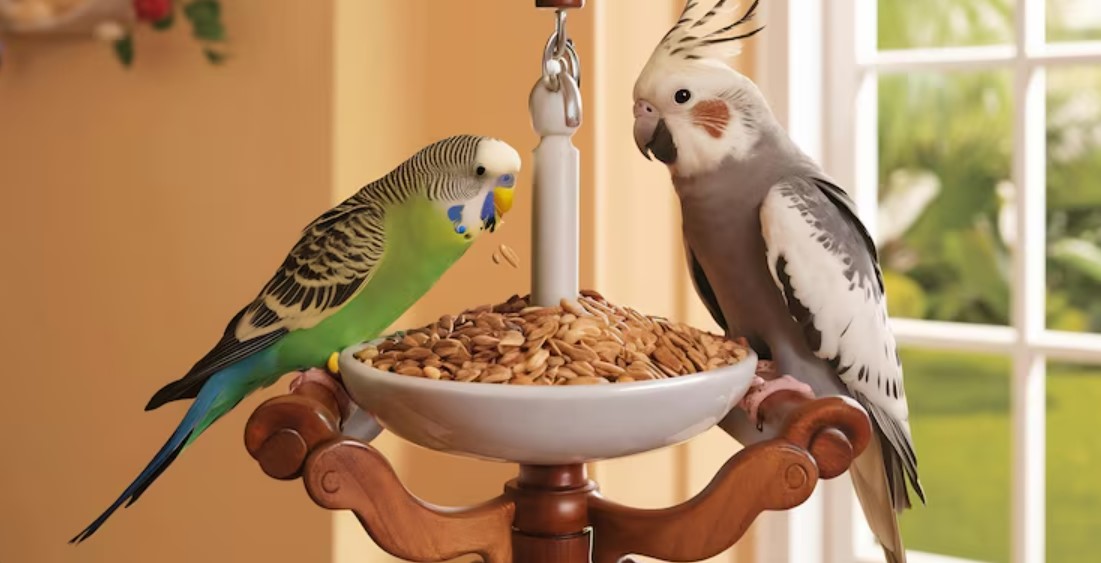
Cockatiels are intelligent, affectionate, and social birds that require a balanced diet to maintain their energy, feather quality, immunity, and overall health. Many new bird owners assume that seeds alone are enough for their pet, but a seed-only diet can lead to nutritional deficiencies, obesity, and health problems over time.
A proper cockatiel diet should include high-quality pellets, fresh vegetables, occasional fruits, and healthy treats. Choosing the right food plays a major role in supporting your bird’s long-term wellness. Products like lafeber cockatiel pellets are designed to provide complete nutrition by combining essential vitamins, minerals, proteins, and nutrients that cockatiels need every day.
This complete feeding guide explains what cockatiels should eat, how much food they need, feeding schedules, foods to avoid, and how premium options like lafeber bird food and lafeber nutri berries can support a healthy and happy pet bird.
Understanding a Cockatiel’s Nutritional Needs
Cockatiels require a balanced diet that provides carbohydrates, proteins, healthy fats, vitamins, and minerals. In the wild, these birds eat a variety of seeds, grains, plants, and natural foods. However, pet cockatiels have different nutritional needs because they usually have less activity and a more controlled environment.
A healthy cockatiel diet should include:
-
Pellets as the primary food source
-
Fresh vegetables for vitamins and fiber
-
Small amounts of fruit as treats
-
Seeds in moderation
-
Clean drinking water available daily
A balanced diet helps maintain strong bones, healthy feathers, proper digestion, and a strong immune system.
Why Cockatiel Pellets Are Important
Pellets are one of the most important parts of a pet cockatiel’s daily nutrition. Unlike seed mixes, which allow birds to pick only their favorite ingredients, pellets provide balanced nutrition in every bite.
Many bird experts recommend pellets because they contain carefully measured nutrients, reducing the risk of vitamin and mineral deficiencies.
Lafeber cockatiel pellets are formulated specifically for cockatiels and provide essential nutrients needed for daily health. These pellets can help support:
-
Healthy feather growth
-
Proper digestion
-
Strong immunity
-
Balanced energy levels
-
Overall body condition
When switching from seeds to pellets, the transition should happen gradually. Some cockatiels may initially refuse pellets because they are used to selecting seeds. Mixing pellets with familiar foods and slowly increasing the pellet portion can help your bird adjust.
How Much Should a Cockatiel Eat Every Day?
The amount of food a cockatiel needs depends on its age, activity level, health condition, and weight. On average, an adult cockatiel usually eats around 1.5 to 2 tablespoons of food daily.
A general feeding routine may include:
Morning Feeding
Offer fresh pellets in the morning when your cockatiel is most active. This allows your bird to consume essential nutrients throughout the day.
Fresh Food During the Day
Fresh vegetables can be offered daily. Some healthy options include:
-
Carrots
-
Broccoli
-
Bell peppers
-
Leafy greens
-
Peas
-
Squash
Always wash fresh foods properly and remove leftovers after a few hours to prevent spoilage.
Evening Check
Remove old food and refill clean water before bedtime. Maintaining a consistent routine helps your cockatiel develop healthy eating habits.
Creating a Balanced Cockatiel Meal Plan
A well-planned diet can improve your cockatiel’s quality of life. A typical daily meal plan may look like this:
60–70% Pellets
High-quality pellets should make up the majority of your cockatiel’s diet. They provide complete nutrition and help prevent selective eating.
Lafeber bird food offers specially developed formulas that support different bird species with balanced ingredients and essential nutrients.
20–30% Fresh Vegetables
Vegetables provide antioxidants, hydration, and important nutrients. Introduce different vegetables slowly to identify your bird’s preferences.
5–10% Fruits and Treats
Fruits should be given occasionally because they contain natural sugars. Apples, berries, and melons can be offered in small amounts.
Treat products such as lafeber nutri berries can provide variety and enrichment while still offering nutritional benefits. They combine wholesome ingredients with a texture that encourages natural foraging behavior.
Benefits of Adding Lafeber Nutri Berries to Your Cockatiel’s Diet
Cockatiels enjoy variety, and food enrichment can make mealtime more exciting. Traditional pellets provide nutrition, while treats can support mental stimulation.
Lafeber nutri berries are designed to encourage birds to interact with their food. Their unique shape and texture encourage picking, chewing, and exploring, which can help reduce boredom.
Benefits include:
-
Encourages natural feeding behaviors
-
Provides nutritional variety
-
Supports mental stimulation
-
Makes feeding more enjoyable
-
Can be used as a healthy reward
However, treats should complement a balanced diet rather than replace daily nutritional foods.
Foods Cockatiels Should Avoid
While many human foods are safe for birds, some can be dangerous. Avoid feeding cockatiels:
-
Chocolate
-
Avocado
-
Alcohol
-
Caffeine
-
Salty foods
-
Sugary processed foods
-
Onion and garlic
Always research new foods before introducing them to your bird’s diet.
Tips for Switching Your Cockatiel to a Better Diet
Changing your cockatiel’s food suddenly can cause stress and refusal to eat. Follow these steps for a smoother transition:
Introduce New Foods Slowly
Mix a small amount of new food with your bird’s current diet and gradually increase the amount.
Observe Eating Habits
Monitor whether your cockatiel is actually eating the new food instead of simply playing with it.
Offer Variety
Different textures and flavors can encourage acceptance. Combining pellets with vegetables and occasional treats can make meals more appealing.
Maintain Consistency
Birds are creatures of habit. A regular feeding schedule helps them feel comfortable with dietary changes.
Signs Your Cockatiel Is Getting Proper Nutrition
A healthy, well-fed cockatiel usually shows:
-
Bright and clean feathers
-
Active behavior
-
Healthy appetite
-
Normal droppings
-
Good energy levels
-
Clear eyes
Poor nutrition may result in feather problems, weight changes, low activity, or frequent illness. If you notice sudden changes, consult an avian veterinarian.
How to Store Cockatiel Food Properly
Proper storage keeps bird food fresh and prevents contamination.
Follow these storage tips:
-
Store pellets in an airtight container
-
Keep food away from moisture and sunlight
-
Check expiration dates regularly
-
Wash food bowls daily
-
Avoid storing food near chemicals or cleaning products
Fresh food quality is just as important as choosing the right diet.
Final Thoughts
Feeding your cockatiel a balanced diet is one of the most important responsibilities of being a bird owner. A nutritious feeding routine supports healthy feathers, strong immunity, proper digestion, and a longer lifespan.
High-quality options like lafeber cockatiel pellets, lafeber bird food, and lafeber nutri berries can help provide essential nutrition while adding variety and enrichment to your bird’s daily routine.
By combining premium bird food with fresh vegetables, safe treats, clean water, and consistent feeding habits, you can help your cockatiel stay healthy, active, and happy for years to come.
Frequently Asked Questions About Cockatiel Feeding
1. What is the best food for a cockatiel?
The best food for a cockatiel is a balanced diet containing high-quality pellets, fresh vegetables, and occasional treats. Pellets provide essential nutrients, while fresh foods add variety and enrichment.
2. Are lafeber cockatiel pellets good for daily feeding?
Yes, lafeber cockatiel pellets are designed as a complete nutritional option for cockatiels. They provide essential vitamins, minerals, and nutrients that support daily health when included as part of a balanced feeding routine.
3. Can cockatiels eat only seeds?
No, a seed-only diet is not recommended for cockatiels. Seeds are high in fat and may lack important nutrients. A pellet-based diet combined with fresh vegetables provides better overall nutrition.
4. How often should I give my cockatiel treats?
Treats should be offered occasionally and should make up only a small portion of your bird’s diet. Options like lafeber nutri berries can be used as enrichment treats while maintaining a balanced meal plan.
5. How can I encourage my cockatiel to eat pellets?
Introduce pellets gradually by mixing them with familiar foods. You can also try offering pellets at times when your bird is hungry and reducing access to excessive seeds during the transition.